 Sifting through all the competing information out there is tough. Every day I read the news, it seems there is a new article out there telling us to eat this food and avoid another. Diet books and TV doctor celebrities convince us all by sharing incredible health stories and before & after pictures. What’s true and what’s not?
In college, I followed the mainstream nutritional guidelines recommended by my [nutritionally untrained] doctors. I typically ate protein bars and smoothies as meal-replacements and salads doused with fat-free vegetable oil dressings. Sometimes, I’d throw in a frozen Lean Cuisine. For dessert, I would eat fat-free marshmallows or fat-free cool whip on fat-free pudding. Then, I’d run a few miles on the treadmill. Compared to my friends eating ramen and fast food, I considered myself healthy. Coincidentally, that was also the sickest I’ve ever been. After a trip to the hospital and visits to multiple doctors, I finally started seeing a naturopath who completely changed my diet and gave me the supplements I was lacking to nourish my body. And, wow, did that make a world of difference.
Since then, I became a skeptic of what we are told is “healthy” and doing the research for myself. I look at food labels. I understand the ingredients in what I’m eating. I look for foods that will nourish my body. If you want to learn from my mistakes and my research, today I’m sharing a list of 8 foods deemed “healthy” by the mainstream that you should consider avoiding & why:
1. Fat-Free & Low-Fat Foods – If you love bacon, you know how good fat tastes. When fat is taken out of food, it tastes plain awful. To improve the taste, manufacturers add sugar, salt and other chemicals, making for a highly-processed item with ingredients you can’t pronounce. The mainstream nutritional circuit discourages us from eating food with fat because it contains saturated fat and cholesterol, which both apparently put us at risk for cardiovascular disease. Except the research shows otherwise – there is no link to saturated fat harming our hearts. And, while fat can raise cholesterol, it actually raises the good kind – HDL – which reduces heart disease risk. On the contrary, low-fat foods add so much sugar/carbs that they elevate our triglyceride levels, which are a proven cardiovascular risk. Plus, it’s not like fat-free isn’t making us fatter – Americans eat the most low-fat diet in the world and have the highest rate of obesity.
Fat is a much needed nutrient – “a gram of fat packs more than twice the energy of a gram of protein or carbohydrates.” In fact, we need fat to lose fat because your body requires that energy to keep its metabolism functioning and to burn calories. Fat also helps keep us full – when you eat fat-free foods, you will find yourself feeling unsatisfied and eating more to satiate your hunger. Plus, many of the essential vitamins we need are fat-soluble, meaning we can’t absorb them without fat in our diet. Keep in mind, not all fats sources are equal; when it comes to fat, natural sources are best. Limit the carbs and enjoy some organic butter, avocados, nuts, and grass-fed steak to keep your heart healthy and body trim. (Source: Livestrong)
2. Vegetable Oil – This is another product promoted as healthy because of the “saturated fat causes heart disease” mantra. Even the name is deceiving – this isn’t kale oil, people. Research has repeatedly proven this is not true, so why is everyone still touting this message? The US is the top producer of both soy and canola, and such a money-making industry has to be protected. When the production of these crops boomed, so did the marketing that “vegetable oils are the healthiest choice.” Unfortunately, nothing could be further from the truth. Here are two reasons vegetable oils (includes canola, corn, soybean, sunflower, safflower, grapeseed, cottonseed oils) are terrible for you:
- Vegetable oils contain long-chain fatty acids which cause us to store fat. On the other hand, the better alternative coconut oil is compromised of medium-chain and short-chain fatty acids, which our body breaks down for energy.
- These oils are chemically unstable and oxidize quickly & easily, causing them to contain high amounts of free radicals. Free radicals cause cellular damage as they seek to steal electrons from other molecules, causing a chain reaction creating more free radicals stealing electrons. They attack our cells, causing damage and mutations. Ultimately, they cause degenerative diseases like cancer, heart disease, and diabetes, failing memory, reproductive problems, aging… the list goes on. The alternative coconut oil contains none of these free-radicals, plus it’s safe & still beneficial when heated – a rarity among oils
I always use coconut oil for cooking & baking and olive oil for salad dressings or low-heat cooking. Coconut oil is my top choice because it has so many other benefits to it as well – to learn more, read my blog on the Coconut Oil Miracle.
3. Margarine – Made from vegetable oil, this spread is touted as healthy for all the same reasons, but, as I wrote above, simply is not. Plus, margarine contains a ton of trans fat, known to clog arteries. It also increases the risk of developing type II diabetes. While it tries to imitate butter in taste, it simply can’t provide the load of vitamins that butter delivers, especially that from organic, grass-fed dairy! Conclusion: Butter is better.
4. Soy – Thanks to the marketing efforts of the US soy industry in the U.S., we’ve been deceived into thinking that soy is a phenomenal health food. It’s supposed to be heart-healthy and keep you young. Vegetarians rely on it as a protein source. It’s a widely available alternative for those with lactose intolerance. And the Japanese, whose diet is considered one of the healthiest in the world, have eaten it for years. But the truth is that it’s actually toxic to our bodies when not prepared or grown appropriately, and of course that’s how it’s produced today.
Soybeans contain two chemicals, goitrogens and phytoestrogens, that affect your thyroid and sex hormones. Traditionally, the Japanese would soak and ferment the soybeans before using them, which neutralizes these harmful chemicals and creates tasty and healthful miso, tofu, etc. But now, in commercially made soy products (even in many of those organically grown), the fermentation process is skipped because it’s cheaper & quicker to do so; instead it is hydrolyzed, a process that does not remove the toxins. So the soy sauce, soy milk, infant formulas, soy protein bars, tofu and most processed products you buy in stores and eat at restaurants are passing those chemicals straight to your body. These chemicals cause thyroid (regulates growth, metabolism and energy levels) issues, like hyper/hypothyroidism and thyroid & pancreatic cancer, as well as reproductive organ problems for both men and women. Even worse, 90% of soybeans are genetically modified, a serious health issue I discussed at length here. The GMO quality of these beans only adds to the health effects, now being linked to sterility and infant mortality.
When I removed soy from my diet, I saw a significant impact on my hormones within a couple weeks. Soy is in almost every processed food item (even organic!), so it can be hard to avoid; but, it is possible.
5. Conventional Dairy – Milk mustaches are stylish and the USDA recommends 3 servings of dairy per day in order to give us the calcium we need to build strong bones. While a good source of calcium, milk & its products can actually be quite toxic when we consume the conventional type. Cows are fed genetically modified feed and given antibiotics, all of which are passed onto us. Plus, when milk is pasteurized and homogenized, it destroys the probiotics and fat molecules that help us maintain strong digestive tracks, immune systems, brain function and bones. It also loses its nutritional content, making it really useless to us (which is why you see so many vitamins added back in – “fortified with…”). Lastly, the heating process destroys the enzyme lactase which allows us to properly digest the milk sugar, lactose; this is why many of us don’t handle it well.
The best option is raw milk from a local farm. If you can’t get that, the next best option is organic whole milk cream or a complete dairy alternative – coconut milk. You should be able to find high-quality cheeses and yogurts made from raw milk in a natural foods store – they are so worth the price!
6. Farmed Fish – We are told to eat fish for its healthy omega-3 fats, a nutrient proven to help with heart disease, joint pain, depression and dementia. Unfortunately, farmed fish contains far less omega-3’s and protein than that of its wild-caught counterparts. Fish farming was created in order to protect from overfishing and to increase yield; while a good idea in theory, aquaculture shares many of the same problems as conventional ranching & farming: GMOs, pesticides & antibiotics. (Source: Mercola) There have been many reports that the feed contains dog food and chicken feces. They aren’t eating a natural ocean diet and thus end up having far less nutrients for us. Recent research has also found that farm-raised tilapia causes significant inflammation and that dioxin (a toxic cancer-causing chemical) levels in farmed salmon are 11 times higher than in wild-caught. (Source: Dr. Axe)
To ensure you are getting your crucial omega-3s, go for wild-caught salmon or take a high-quality fish oil. Also, just avoid tilapia altogether.
7. Table Salt – Most people know that table salt causes hypertension and that they should avoid it, yet its on every table and always in the sodium-filled processed foods. I agree that table salt should be avoided, but real sea salt is actually extremely beneficial. Table salt isn’t real at all – it is a highly processed shaker of chemicals. Real sea salt should be part of our daily diet – it provides trace minerals that help our body stay hydrated, contains powerful electrolytes, helps the body absorb nutrients from food, and is crucial for proper adrenal & thyroid function. (Source: You’re Not Sick, You’re Thirsty)
I purchase Himalayan Pink Salt and love the mild, natural taste.
8. Artificial Sweetener – Since the huge rise in diabetes and obesity, doctors have been recommending low-glycemic sugar substitutes. But the research is out and those fake sweeteners have a not so fake effect on our bodies…
A few years ago, Splenda was introduced into the market as a calorie-free alternative to sugar and as doctors started endorsing it, it’s popularity increased. However, the product was deemed “safe” before extensive testing had been done on the sucralose product. In fact, studies now show that Splenda causes digestive system imbalance by altering the flora in your gut. Your digestive system is a crucial part of your immune system and greatly affects your general health. On top of that, this product is chemically made and contains chlorine – a toxic chemical that causes cancer, birth defects and creates issues with the work your liver does to detoxify the body. It was actually downgraded in 2013 from “safe” to “caution” following a study that seems to indicate it causes leukemia. (Source: Natural Society)
Lastly, although many use fake sweeteners to lose weight, it causes us to overeat. You wind up fighting a losing battle and continuing to crave sugar & carbs because your body wants the real stuff. Sorry to break it to you, but those sugar-free cookies and diet sodas aren’t doing your love handles any good.
In my home, I use either raw honey or coconut sugar for any sweetening. Both of these products are not only low-glycemic, meaning they don’t raise blood-sugar as much, but also contain other beneficial nutrients for your body.
Did any of the items on this list surprise you?

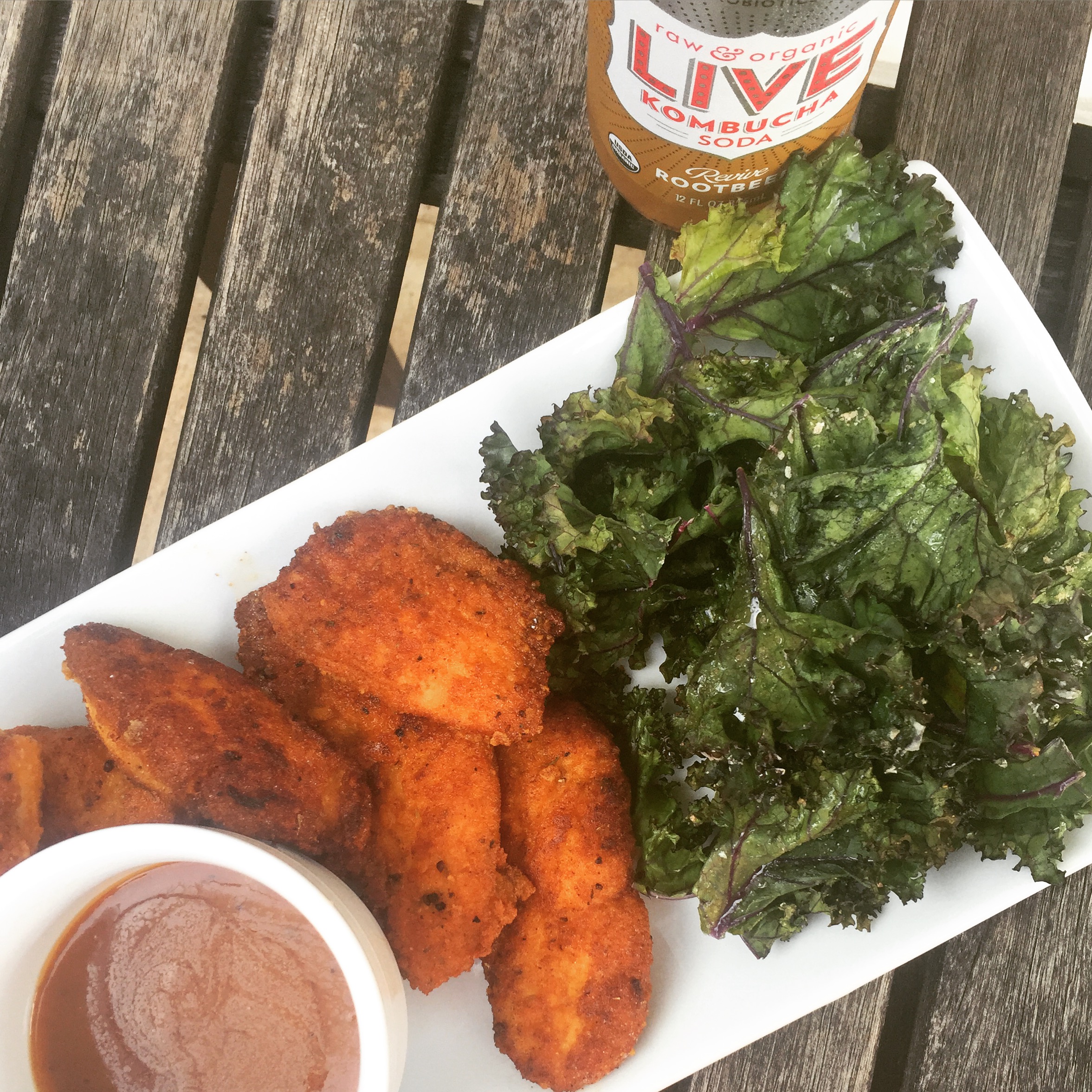 I’m always a little bummed when Labor Day arrives and brings an end to summer, but then I remember the good news – football has finally returned! Lounging around all weekend, going to tailgates and attending watch parties can make it hard to eat healthy, but I try to take the challenge as an opportunity to create new versions of typically not-so-healthy foods. Today, I’m sharing an easy twist on fried chicken that will totally satisfy your finger-food cravings.
 We’ve all been there… you’re in the grocery store looking at the rows of meat, most on sale for only a few dollars per pound. You’re overwhelmed with all the confusing labels, not even sure what they really mean. You see the small section of organic meat and they want to charge you an outrageous $13 for a package of chicken breasts. Considering you need a 3 of those for meals this week, it’s just too much. You decide to be budget-conscious and go with the cheaper meat, feeling a little better that you’ve at least picked the “all-natural” option. Can you relate?
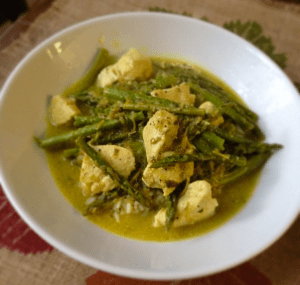 Today, I’m sharing another quick & easy recipe that’s full of healthy ingredients & perfect for a weeknight dinner: Coconut Curry Chicken. This dish packs the flavor and two superfoods with some amazing health benefits:
 daily and it helps greatly with my back pain.

 ). Bring to a low boil, whisking frequently, to reduce the cream. After 10 minutes, remove from heat and let it sit – it will continue to thicken as it cools. While the sauce is sitting, you can make the pasta.
 to make the veggie strings, but of course you can use a spiralizer if you’re fancy. Then, saute the “noodles” in a bit of olive/coconut oil over medium heat for a couple of minutes just until they are soft. Season with salt and toss with the warm sauce.
 . I buy mine at Whole Foods or Natural Grocers and it’s prepared just like any other pasta.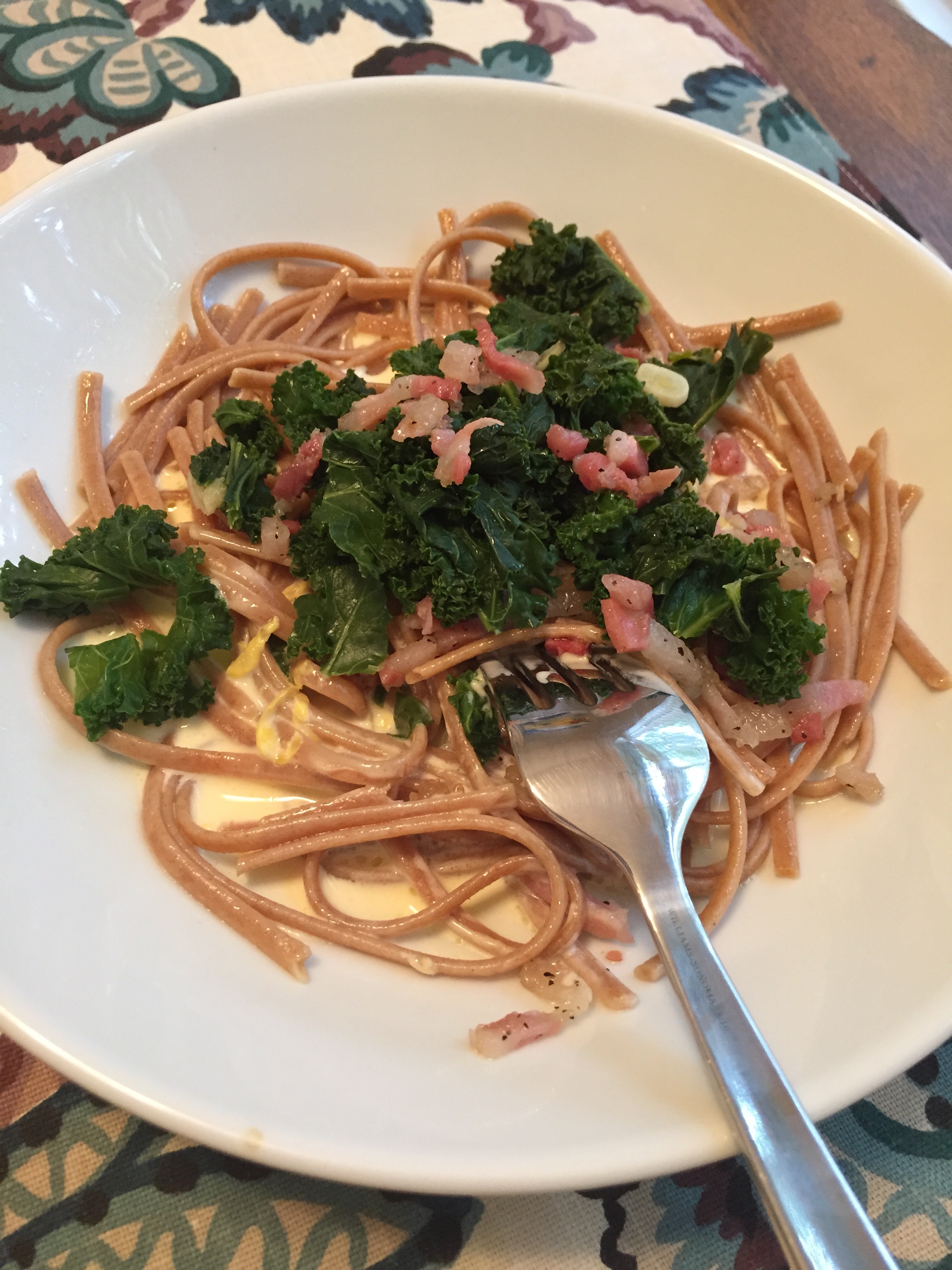
 Healthy and Hopeful