So, I’ve been a bit MIA the past couple of months. See, I just returned from a vacation to Italy and France and most of my free time in the weeks leading up to the trip were planning the 2 weeks we were going to be there. But, I’m back now and more inspired than ever to keep on pursuing true health.
Leading up to the trip, I was a bit anxious about all the weight I was going to gain from eating so many carbs. That wasn’t going to stop me from enjoying all the pasta, pizza, gelato, tiramisu and wine “when in Rome,” but I figured I would just have to work extra hard when I returned to be healthier. So, when I was there, I did just that. I splurged at meals, opting for wine at lunch and dinner, eating an afternoon gelato every day, and having my share of fresh pasta in search of the best ever.

Seafood Ravioli and a glass of local wine in Monterosso, Cinque Terre

Aperol Spritz at a local Venice cantina

Enjoying a Croque Madame in Paris – if you look closely, you’ll see the Eiffel Tower behind me!
What surprised me, though, is that I somehow ended up losing weight on the trip. More importantly, while we were there and when I returned, I felt great – nearly pain-free, full of energy, and just an overall feeling of healthy. On a normal basis, I am so focused on what I eat and put into my body, but only very slowly do I feel like I am seeing the results for my health that I want. I go on vacation for two weeks and eat whatever I want (and have the best time doing so), and I see results immediately. As I’ve returned and reflected about what made that possible, I’ve had a few thoughts that I wanted to share.
Fresh Ingredients, Made-From-Scratch Food
Every day, Italian home cooks and chefs go to the market to get fresh meat and fresh vegetables for the meals they will prepare that day. While we were staying in Tuscany, we cooked dinner every night in our home and visited the market several times that week. The stores there weren’t like ours where fresh ingredients remain only on two of the outer sides of the store, with the bulk of food on shelves or in freezers. They had large produce sections, cheese and meat counters (mozzarella and prosciutto galore!), a large selection of fresh pasta, non-homogenized milk & cream and a bakery with breads baked that day. There were no pre-prepared desserts, very little freezer space and the eggs were so fresh they didn’t even have to be refrigerated.
We took a cooking class in Italy on how to make fresh pasta and learned thirteen different pasta sauces. Let me first say, if you ever go to Italy – do this! It really was one of my most favorite experiences and taught us so much more about the culture we were visiting. Plus, it was the best meal of the trip! My brother blogged about the details here if you’d like to read more about it. It was incredible to go behind-the-scenes with a chef who cooks for his restaurant daily and learn his authentic recipes. He told us about how he visits the local farmer’s market daily to get fresh seafood, meat, eggs, fruits and vegetables. We started by chopping lots of fresh produce and then throwing it in pots on the stove with plenty of locally grown & produced olive oil. The sauces were all made from fresh veggies and tomatoes, real cream, pancetta, and lots of freshly grated parmesan cheese. One of the best parts was that he had his pots of fresh herbs right on the kitchen counter and would pick them straight off the plant, tear them up and throw them in the pots as we cooked. The pasta was simply made from unbleached flour, fresh eggs and chopped spinach or tomato paste was added for different coloring/flavoring. Every ingredient was simple and fresh. Every item was hand-made. We are just missing that here.

Pressing fresh tomato pasta

Some of the delicious pastas we made

Chef Paolo teaching me how to make ravioli filling
While we were only in Paris a few days, I certainly enjoyed every bit of French food while I could. I had some delicious meals where you could really taste the flavor because of how they were prepared. The french onion soup was made with gelatin-rich bone broth and you could taste how long it had been simmering to infuse nutrients. Roasted chicken was always served on the bone and in its own gravy. One night, we went to a place that made traditional crepes, made gluten-free with buckwheat as they should be – phenomenal!
Non-Toxic, Real Food
I attribute a lot of how healthy we stayed during our trip to the fact that the food was made from real ingredients. There were no preservatives in the bread and fresh pasta. The preservative potassium bromate (aka bromated flour) that’s often found in our foods here in the U.S. isn’t added there, so doesn’t pose a risk to your health. They use olive oil or butter for all cooking, and you won’t find hydrogenated vegetable oil in processed foods either – those are made with coconut or palm oil. That alone makes such a difference in the amount of free-radicals people are exposed to. It’s amazing how foods that are sold both there and here are made so differently – The ketchup I got with my french fries in Paris contained no high-fructose corn sryup; it was made with real tomatoes and sugar. We even bought m&m’s at the airport that were made with coconut oil! I’m now wishing I had bought more…
And you certainly won’t find any toxic food dyes or artifcial coloring in the foods. All the gelato we enjoyed was flavored and colored with real fruits; there were no bright, unrealistic colors to attract customers. And GMOs are strictly regulated there and mostly banned in both Italy and France. Produce is grown by farmers who sell it at local markets, chicken and cattle are allowed to graze freely on the range and not fed growth-stimulating hormones, and fish are actually caught in sea instead of farmed. All of the chemicals that we eat in our food cause us to gain weight as our bodies are literally starving of nutrients. And they make us feel terrible as we suffer from leaky gut syndrome and develop food allergies we may not even realize. If you are curious to read more, here’s an interesting list of lots of things we eat constantly in the US that’s banned in other countries across the world due to health effects.
Movement
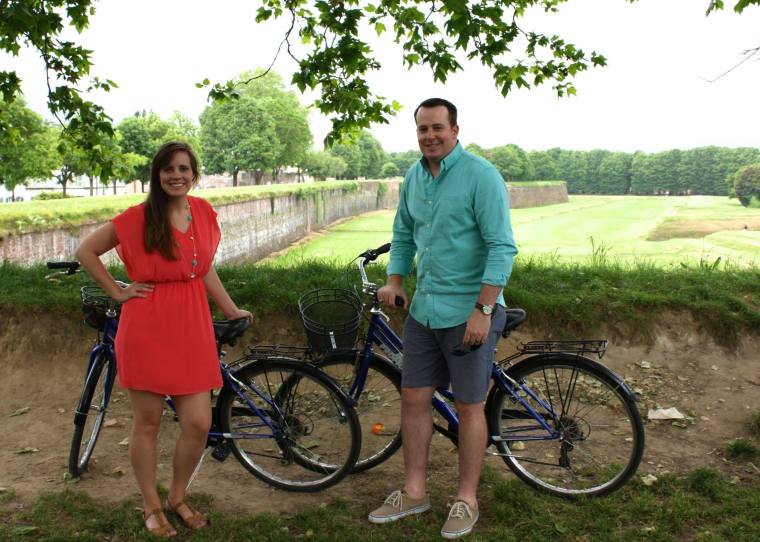
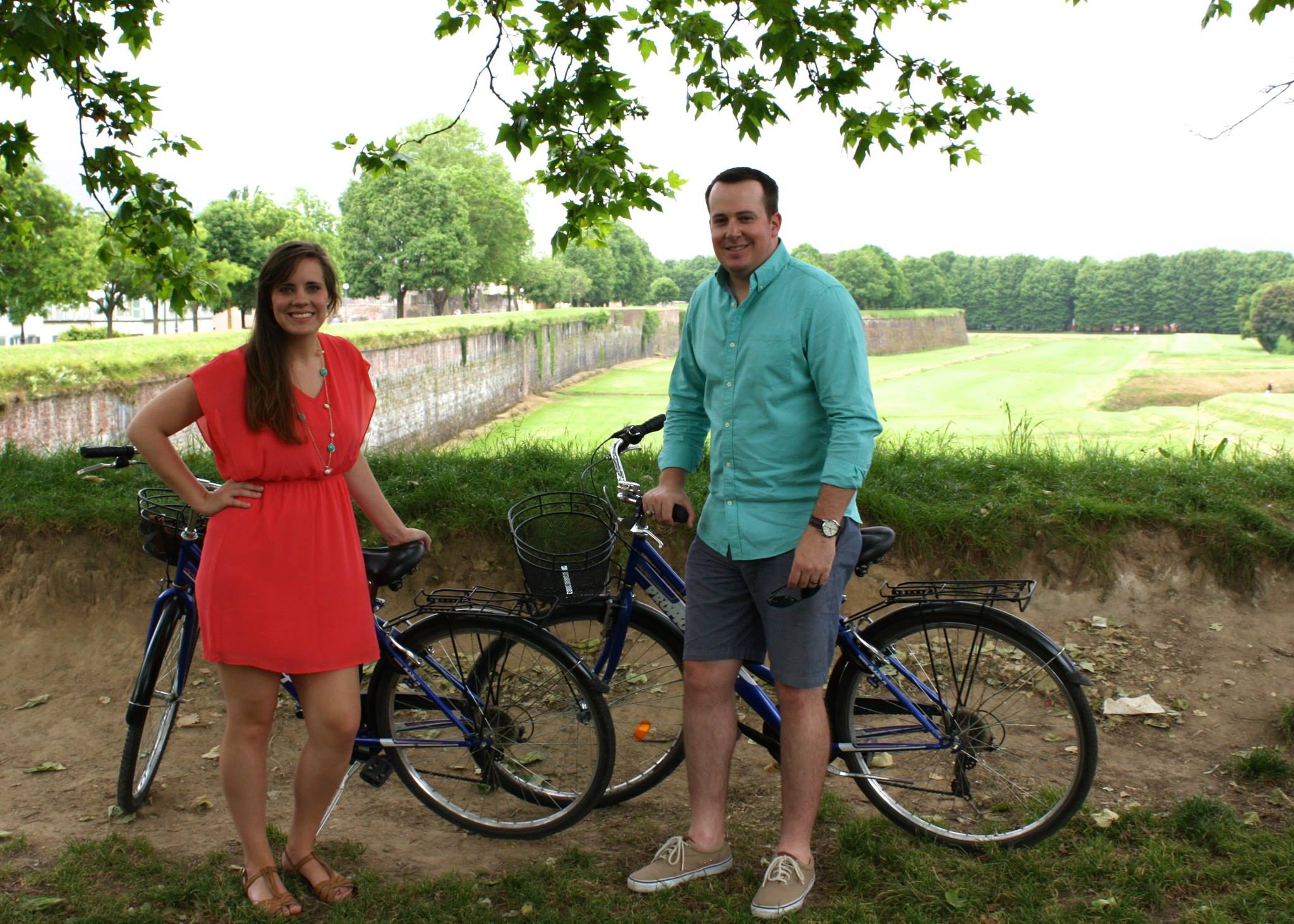
The first city on our trip was Rome. We stayed in Centro Storico, right by the Piazza Navona. A great location literally right in the middle of all the major sides, but not easily accessible public transportation. So we quickly learned that we would be walking everywhere. We started both days we were there with a 30-minute walk to our tours of the Vatican and Colosseum/Ancient Rome and continued to do lots and lots of walking. As we visited towns across Tuscany, many people don’t have cars and simply walk everywhere. They walk to the market each day, they walk to work. In one town we visited, Lucca, everyone rides bikes, both leisurely around town and athletically through the countryside. We rode around the top of the town wall – a beautiful experience. In Venice, you walk everywhere to avoid expensive boat rides and the locals were always out walking their pups. Walking miles a day certainly put me into better shape than I have been in a long time. And miraculously, my back pain ceased and my recently painful achilles tendon, finally stretched out instead of cramped under a desk all day, hasn’t bothered me since. Funny how all the pain that typically prevents me from exercise is really what cures it.
Less Stress
According to WebMD, 75-90% of all doctor’s office visits are for stress-related ailments and complaints. As a society, we are really harming our bodies by putting ourselves under too much stress. Stress causes us to experience back and neck pain, affects our hormones and causes us to gain weight. One thing the Italians have right is how to live a less stressful life. They take their time in the mornings enjoying a cafe with breakfast. They go to work for a few hours and then take an afternoon break to relax and eat lunch with friends or family, before returning to work for a few hours in the afternoon/evening. Meals are an experience and people take their time eating, enjoying each other’s company and partaking in plenty of wine. Disclaimer for any “health people” ready to judge: I am aware that wine is alcohol and therefore toxic to your body, but there’s a lot to say for how a glass or two helps take the edge off the day and provide stress relief. We had some pretty crazy driving experiences around Italy (especially up the switchbacks on the steep hill to our house in Tuscany) and at the end of the day, a glass of champagne certainly helped take the stress away.
Obviously, I was on vacation and away from my job (recently rated #5 on the most stressful jobs list, by the way!), so that certainly helped my stress level. But, it was more than that… I wasn’t watching tv or constantly on my phone checking email, instagram or facebook. I was out exploring, taking walks, enjoying art and taking in the beauty of God’s creation. I was cooking for my family each night, feeling inspired by the local ingredients and creating delicious new recipes. And, then, I sat with my family to enjoy the food over conversation around the dinner table, uninterrupted by phones or our busy lives. How often does that happen in our lives anymore? It’s the focus on relationships, talking about life and decompressing from the day over a great meal and glass of wine that helps put things in perspective and remember what’s really important: not stressing over life, but appreciating our blessings.
Back to Real Life
So now that I’ve convinced you myself to move to Italy, I have to remember that wineries and beautiful hills are just a short drive away (on much easier roads)! But, really, although the hurdles to health that I returned to can sometimes be overwhelming and discouraging, I can lead a healthier life. I’m inspired to…
- Shop at local farmer’s markets. Meet the people who grow real food and who have a passion for providing real nourishment to their customers. Invest in them and the hard work they do every day.
- Use real ingredients and keep my recipes simple. Make things from scratch that have true flavor and are full of nutrients.
- Enjoy cooking again. I no longer want to dread cooking dinner when I get home from a long day at work. I want to remember that God’s gifted me with the ability to create delicious, healthy dishes for my family and see it as a way to express my creativity.
- Take more walks. Enjoy the beautiful Texas weather & landscape, meet my neighbors, and keep my puppy happy as she’s so enjoyed our walking adventures since I returned.
- Host more dinner parties to enjoy good food and good wine with friends.
- Sit at the table to eat with my husband more often instead of on the couch. No phones allowed.
- Leave the stress of work at the office. Give thanks for all my blessings daily and put things back in perspective.
Salute!

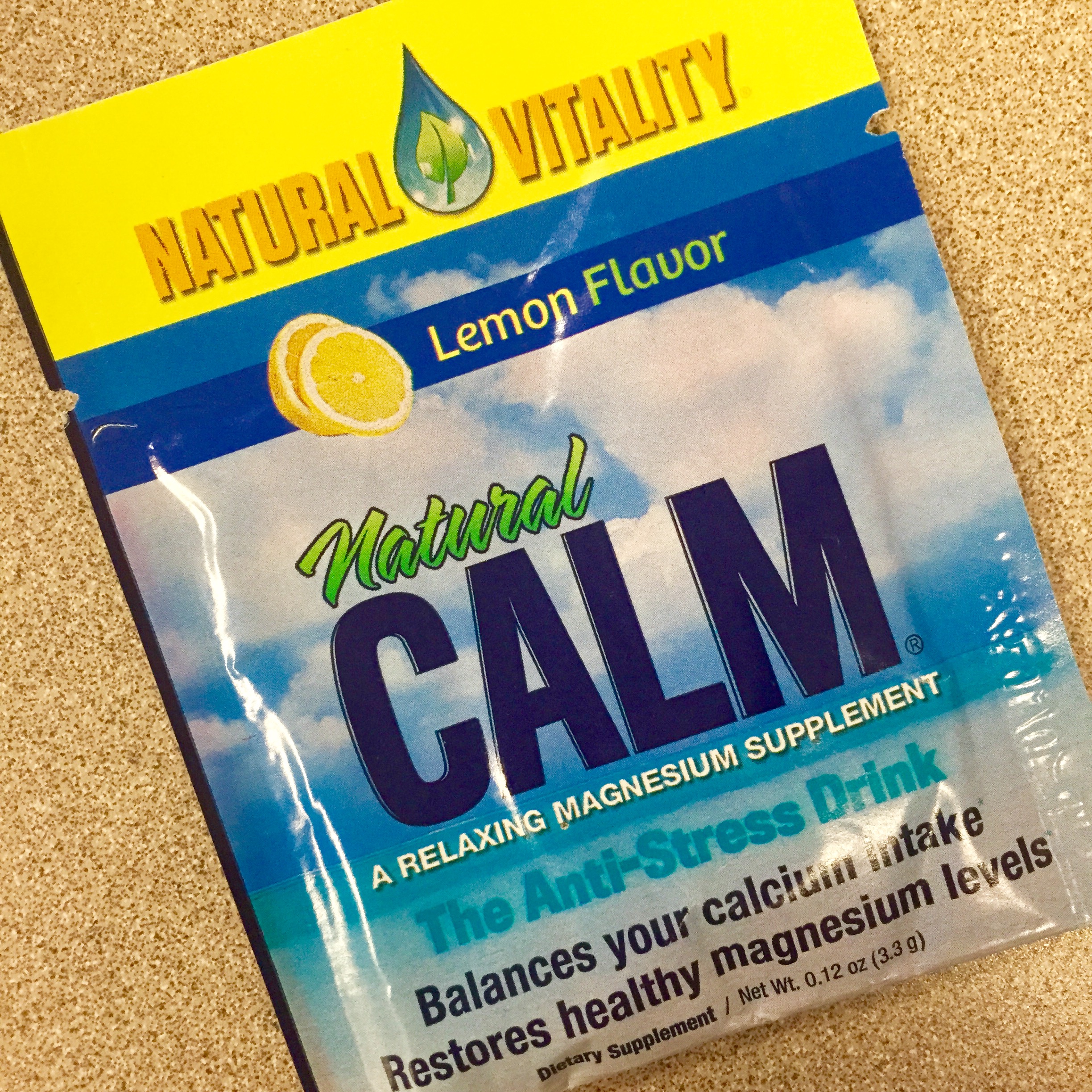
 Find a whole food supplement with magnesium citrate or glycinate taurate (easiest to absorb). Avoid the cheap supplements with magnesium carbonate, sulfate, gluconate, and oxide. Since I take so many vitamins and minerals each morning, I like to mix it up by taking this one during the day – Natural Vitality Natural Calm Magnesium Supplement
. It’s pure magnesium citrate and comes in lots of flavors; you add it to water and it makes a fizzy Emergen-C type beverage. This is the perfect afternoon pick-me-up; since magnesium helps the body relax, it diffuses any of the stress I am feeling at work.
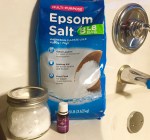 Epsom Salts
are pure magnesium and are recommended for relieving sore muscles. I mix up some lavender essential oil with my epsom salts in a glass jar and keep by the tub to add to my baths. It’s super relaxing and helps your body absorb magnesium before bed, which leads to falling asleep faster and better rest.







 opened my eyes to all the health benefits the fruit has to offer – it’s pretty amazing and we’ve really been missing out. What I loved about the book is that it uses research based on real cultures: “Coconuts (and coconut oil) have been used as a major source of food for thousands of years by millions of people in Asia, the Pacific Islands, Africa, and Central America. Traditionally these people have had much better health than those in North America and Europe who don’t eat coconut.” The book also explains the science behind why the fat in coconut oil is so beneficial to us. The main reason it’s so beneficial is that it’s comprised of medium-chain and short-chain fatty acids, which our body breaks down for energy rather than storing as fat like the long-chain fatty acids in vegetable oil.
 into your diet and routine? The book recommends 3 1/2 tablespoons daily… you can cook with it (replace any oil with it, same amount), put it in your coffee (if you love lattes, check out this amazing
  Healthy and Hopeful