Natural Pain Relief

For most of my life, I struggled with some level of back pain on a daily basis.  Chronic pain is just awful and, unfortunately, far too common.  It affects every area of life – relationships, work, exercise, activities; it’s hard to focus on anything other than that pain.  I tried different medications and therapies with no relief, and then suffered the side effects of pills… too much ibuprofen over time actually sent me to the hospital for a week (even though I used as directed by my doctor!).  In fact, recent research has shown that over-the-counter pain relievers increase risk for heart attack and stroke, can have a significantly negative impact on a woman’s fertility, and cause kidney damage.

Eventually, I started looking to natural alternatives to address my health issues and found significant relief.  I still have my bad days, but have found some great solutions that really help.  If you’re looking to try something new without the dangerous side effects of medication, here are my top 5 methods for natural pain relief:
Curcumin SupplementTurmeric

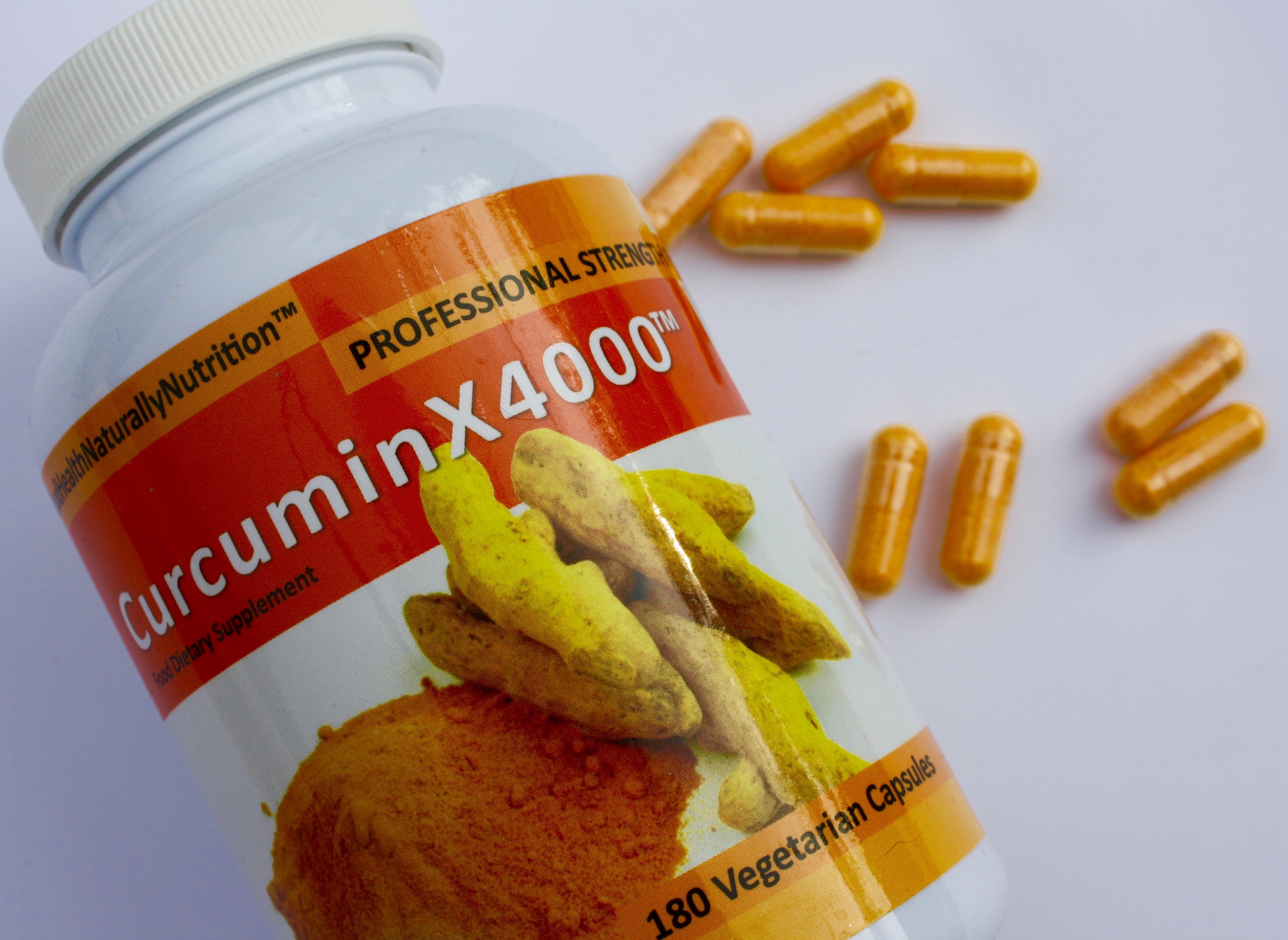
Yes, the spice!  Turmeric has been widely used in Indian medicine for centuries; one of its components – curcumin – is a powerful anti-inflammatory agent. Research has also shown that turmeric helps aid in the “prevention of cancer, protection against heart disease, reduce Alzheimer’s disease symptoms, ease pain and inflammation, boost bone health, protect the immune system from bacterial infections, and increase the liver’s ability to remove toxins from the body.” (Source)

I take a curcumin supplement daily to help with inflammation & my back pain.  You could also add it to your diet – try this delicious turmeric tea recipe or my Coconut Curry Chicken recipe.


Topricin CreamTopricin

This anti-inflammatory pain relief cream is a safe alternative to medication that is effective for muscle, tendon, ligament and nerve tissue pain. It is safe for the elderly (as it does not interfere with medication), kids, pregnant women, and for all skin types.  It has no odor or fragrance, no petroleum and is non-greasy &, non-staining.  When I have back pain, I rub this on and the results are instant.  Plus, its actually working to promote healing, not just masking the pain.

Pain Relief Essential OilsEssential Oils

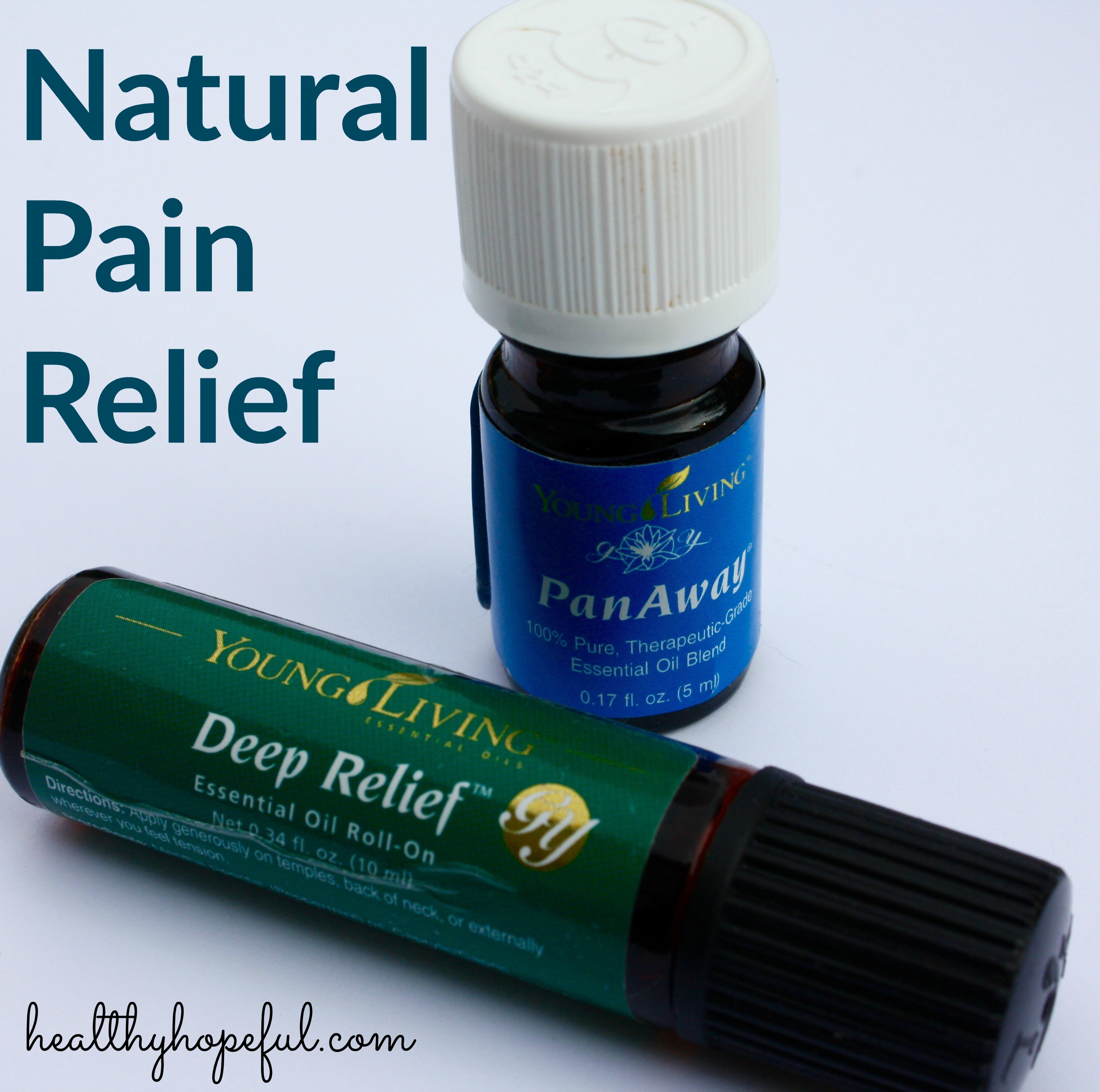
  1. PanAway – This blend of wintergreen, helichrysum, clove, and peppermint combines oils that each have anti-inflammatory properties, making for a super-effective combo.  It “…reduces pain and inflammation, increases circulation, and accelerates healing.  It relieves swelling and discomfort from arthritis, sprains, muscle spasms and cramps, bumps, and bruises” (Source: Essential Oils Pocket Reference).  Mix a couple drops with some coconut oil and rub on the area of pain.
  2. Deep Relief – This blend takes the combo above to the next level by adding some additional oils to the mix.  It comes in a roll-on tube already mixed with liquid coconut oil for easy spot-on application.  Here is what it contains:
    • Wintergreen – relieves head and muscle tension
    • Helichrysum – restorative support for nervous system
    • Clove – anti-inflammatory, supports immune function
    • Peppermint – anti-inflammatory, helps relieve headaches
    • Copaiba – supports the body’s response to irritation
    • Lemon – purifying properties
    • Palo Santo – relieves pain and inflammation in joints and muscles
    • Balsam Fir – relaxes the body and soothes muscles
    • Vetiver – grounding, helps with stress and tension

If you’re interested in trying out essential oils, check out my guide to getting started.  Bonus – PanAway comes in the Young Living Premium Starter Kit!


Drink Water

I know, that sounds way too simple, but listen… Our body is made up of 75% water and our brain tissue is 85% water. Adequate hydration is essential to our bodies and brains functioning properly.  We tend to think that we are “thirsty” when our mouths become dry and we crave a drink, but this is actually the last outward sign of dehydration – if you are feeling this, your body is screaming for water.

Chronic pain is a huge indicator of thirst.  For a while, painkillers may work, but eventually the brain will become so dehydrated that it will register all pain until it gets enough water.  And, until it does, the pain will increase and the body will limit the mobility of those areas in order to “prevent the production of additional toxic waste” that water, if available, would wash out. If you are experiencing consistent back pain, leg pain or headaches, take note.

I’ve started making sure I drink 8 glasses of water per day (if not more) to stay consistently hydrated.  When I do have back pain, the first thing I do is drink several glasses of water to see if the pain passes.  Surprisingly, it actually works most of the time. And if it doesn’t, no harm, and I move on to the other options above.


Chiropractor

If you haven’t visited a chiropractor, you are seriously missing out. I have seen dramatic healing by visiting my chiropractor regularly.  I started off seeing her 3 times a week when my pain was constant, and as I improved, it became less frequent.  Now, I see her for adjustments and some PT or massage every two weeks.  What I have found incredible about adjusting my spine is how much it also affects the overall nervous system and brain.  It’s improved the health of my body as a whole… it sounds a bit crazy, but my chiropractor has also helped with my allergies, ear infections, headaches and digestive issues.

It can be hard to find the right one, but if you’re in Austin, I have a great recommendation for you: Tracie Schwab at Backbone Wellness Center.  Plus, most insurance companies will cover your visits (with a copay) up to a certain number each year.


While these natural methods may not work for all types of pain, I pray that they help provide some safe relief next time you are suffering.  Let me know how they work for you or if you have any other suggestions!


Essential Oils: Where to Start

You’ve probably seen it all over social media… people are obsessed with essential oils.  Personally, I was really skeptical of the whole essential oil thing for awhile, but let me tell you: I tried them and I am now a believer!  They really are amazing and have helped me achieve better health naturally and safely.

If you’ve been wanting to try essential oils and just aren’t sure where to get started, I thought I would help provide a quick guide for you.  It can be a bit overwhelming sorting through all the information – what company to choose, what oils to start with, how to use the oils, and the list goes on.  I’ve done tons of research and I’m here to help!

What Kind to Buy? Does Brand Matter?

I’ve learned from experience that brand really does matter when it comes to the effectiveness of oils.  I’ve tried several brands and now only buy from a couple of companies I know sell pure, high-quality oils that actually work.  Many cheaper store brands use chemicals (in growing, distillation or bottling) or add filler oils and fragrances to the bottle.  Even if they claim to be “pure,” unfortunately, they often aren’t.  Young Living became my favorite company because they own their entire process from Seed to Seal – they grow the plants on their own farms (pesticide-free), distill and bottle the oils themselves.  I trust their oils to be safe and therapeutically effective based both on my research and personal experience.

What Oils to Try?

With hundreds of essential oils and blends to choose from, trying to figure out what to try first is probably the hardest part.  Here are 3 options for getting started:
  1. Free Sample – for my local friends, I’d be happy to share a few drops of one of my favorites as a sample if you’d like to try something before you take the step to purchase.
  2. Try One or Two – Young Living has a website where you can purchase oils without any commitment. When you create an account, make sure to put this in the Referral ID field: 2343919.
    • Which Oil(s) to Choose: I am happy to make personal recommendations based on what you’re looking to use it for – maybe you’re looking for something to help with allergies, with headaches, for energy, for non-toxic house cleaning, stress-relief, skincare… the list goes on – you tell me what you’re looking to tackle naturally!  You can comment on this post, use the contact form here.
  3. Start with a Bundle (HIGHLY RECOMMENDED!) – Young Living offers several discounted Starter Bundles- many options come with 12 of the most popular and a diffuser. You can create an account and get 24% off retail pricing if you order one of these for over 100 PV (or sign up for a subscription to get that discount).  When you create an account, make sure to put this in the Referral ID field: 2343919.
    • No minimum order or pressure to purchase – You don’t have to purchase anything after your bundle if you don’t want to (though I bet you will!).  There is no fee to keep your wholesale pricing active; you only need to spend $50PV on products each year to keep it.
    • Compensation as an Independent Distributor – There is no obligation to sell oils, but if you’re looking for some extra income, there are ways to receive compensation for sharing oils with your friends.
    • Optional Subscription / Loyalty Rewards Program – Each order earns you points towards free products and you also get reduced shipping rates.

*These statements have not been evaluated by the Food & Drug Administration. I am not a doctor and any tips I share are not meant to diagnose or cure disease; I am just sharing ways that these oils have helped me personally.

10 Ways I Use Peppermint Essential Oil

Peppermint OilDon’t you just love the smell of peppermint?  So refreshing and invigorating.  Peppermint oil is would probably rank in my top 5 for most-used essential oils.  Here are a few ways that I use peppermint oil and see great results:

  1. Nausea – If I’m ever feeling queasy or nauseous, I either rub some peppermint oil on my stomach or breathe it in.  I’m always amazed at how fast it works and keep applying every 20 minutes or smelling it until I feel better.  This, along with activated charcoal, seriously saved me when I got food poisoning 3 times (why, oh why!?!) last year.
  2. Headaches – Whenever I get a headache, rather than popping not-so-safe aspirin or ibuprofen, I put some peppermint oil on the roof of my mouth, back of my neck and top of my forehead and within minutes, I’m back to normal.  *Warning: be careful to not get it in or close to your eyes or it will sting. If you do, wash out with olive or coconut oil rather than water.
  3. Anti-Itch – Last summer, when I got hives as a result of stress, peppermint oil was the only thing that would relieve the itching.  It’s also a great option for bug bites and sunburn as the oil is very calming for skin inflammation. You may need to dilute peppermint oil with coconut oil before applying directly to your skin as it can irritate sensitive skin in its concentrated form.
  4. Allergies – Peppermint oil is great at helping clear out my nasal passages and reducing sinus inflammation caused by allergies.  I use this in my essential oil allergy blend LLP (Lavender + Lemon + Peppermint) and diffuse all the time during allergy season. Read more about how I fight allergies naturally here.
  5. Energizer – Afternoon slump or just need to focus at work… I diffuse peppermint at my desk at work and it does wonders for getting me through the rest of the day.
  6. Fever Reducer – The couple of times I’ve had a fever in the past few months, I’ve used peppermint oil on the back of my neck and forehead with a cool compress and brought my temperature down to normal without medication.
  7. Decongestant – When I have a cold, I mix peppermint with eucalyptus oil and coconut oil and applied to my neck and chest.  It acts as an expectorant and helps open up airways and clear out sinuses.  This was especially helpful to me when I was coughing a lot.
  8. Muscle Pain Relief – Anytime I have sore muscles, I use peppermint oil to help relax them and relieve the pain.  It’s also a main ingredient in one of my favorite blends of essential oils for pain relief – the Deep Relief Roll On. This was amazing to rub on my feet and legs each night after walking miles a day at Universal Studios & Disney World.
  9. Oral Care – Of course, peppermint is a well-known breath freshener.  I mix it with a bit of water and use as a mouthwash.  It’s also in my beloved brushing blend OraWellness – read more here about why I will never go back to using regular toothpaste!
  10. Bug Repellent – Ticks & mosquitoes apparently hate peppermint, so I use this in a pest-repellent spray for my dog every day.  For some reason, bugs don’t like me, so I don’t have to use anything personally, but you can use it for people too. For my pup, I mix up distilled water with a few drops each of peppermint + eucalyptus + Thieves + citronella + tea tree in a spray bottle; besides protecting her from fleas & other bugs, it makes her smell great.  Here is an actual recipe for homemade bug spray that’s very similar.

I’m so grateful to have added a variety of essential oils to my “medicine cabinet” and to now have a safe, effective way to address symptoms immediately when they arise.  I have chosen to buy the Young Living brand of essential oils because I’ve done my research and I trust the source and the purity of the oils they grow & produce. If you are interested in trying out essential oils, visit this page on my blog for more details or leave a comment and we can chat more.

Have you been looking for a natural way to address any of the symptoms above?  Do you use peppermint oil in other ways that help?  I’d love to hear about it!

Lavender Essential Oil

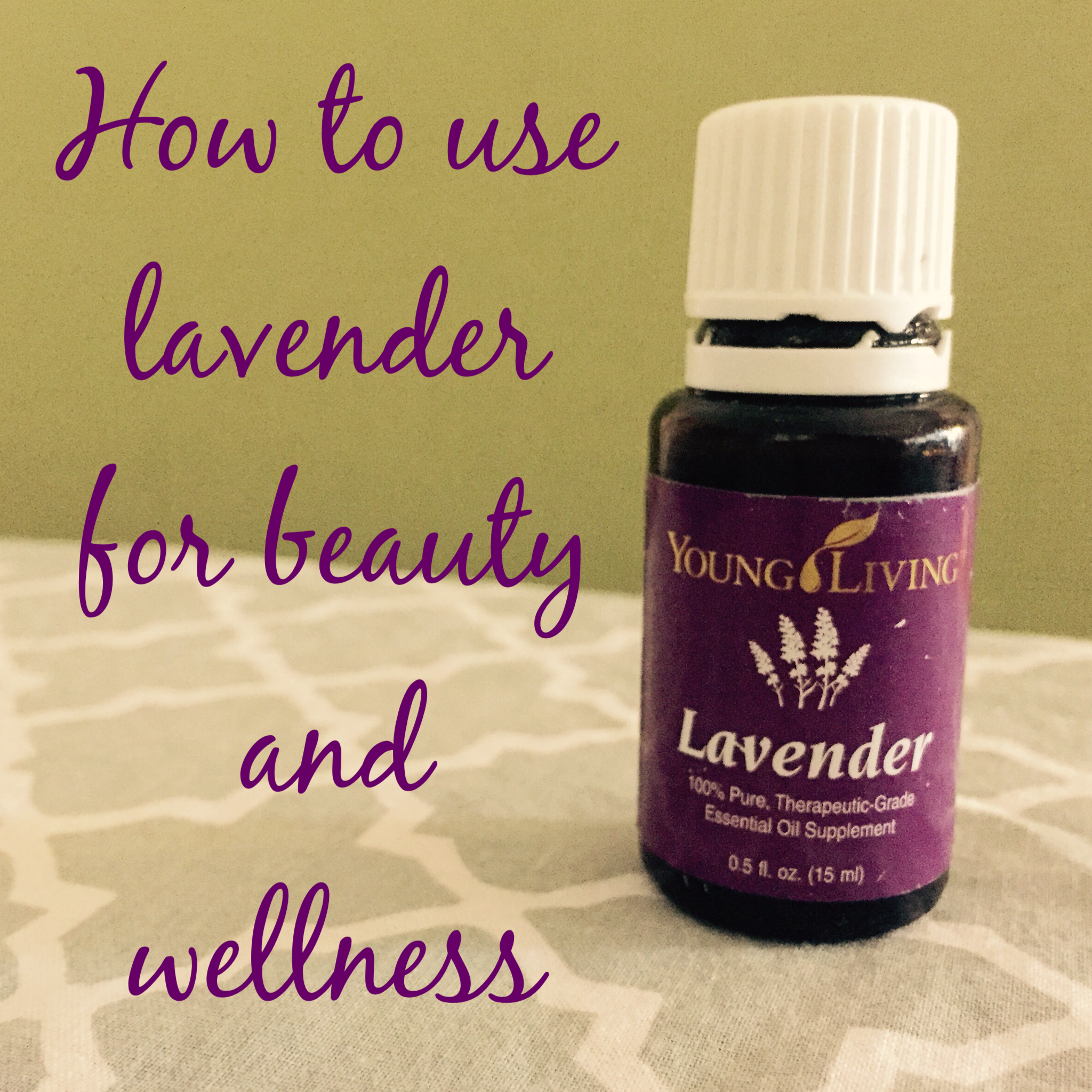
LavenderOne of the first essential oils I ever got was Lavender.  Besides being one of my favorite scents, it’s been my go-to in many different ways for a few years now.  It’s known to be the most versatile of all essential oils with many healing and restorative properties.  Lavender oil is extremely concentrated; it takes 27 square feet of lavender plants to make one 15ml bottle.  And it’s fairly inexpensive at $30 retail for a bottle of around 240 drops – plus, it’s easy to make one drop go really far and still be effective.

Each night, I use a mixture of coconut oil and lavender as my face moisturizer.  I keep a glass cosmetic container of it in my makeup drawer all ready to go.  One jar will easily last me a couple of months as a little goes a very long way.  I simply warm coconut oil to bring it to a liquid state and then add a few drops of lavender oil – I use about a 1 Tablespoon coconut oil to 1 drop lavender ratio.  Once you put it in the jar, it will harden back up (this also helps it from going rancid) and the warmth of your skin will re-liquefy it as you apply.

Since I implemented this moisturizer into my routine, I have noticed my complexion improve a great deal. Lavender’s many properties make it really effective towards any type of skin irritations, so I have found that it both helps prevent acne (by fighting the bacteria that causes blemishes) and helps promote healing.  There’s been many a morning that I woke up to discover my face blemish-free after not being so the night before.  It is also extremely moisturizing and is quite helpful at relieving dry skin.

The other great benefit to applying lavender to my face each night is that it promotes sleep.  It calms and relaxes – diffusing it by my bed also helps me fall asleep quickly on those nights that my mind can’t seem to settle down and give into the tiredness of my body.  The calming effect is also helpful with reducing anxiety or stress after work and has helped relieve headaches that I’ve had caused by that tension.

Lavender is also a staple in my medicine cabinet.  I keep it handy for minor cuts and burns as it promotes healing and provides relief.  There is simply nothing more soothing than applying coconut oil + aloe + lavender to a sunburn. And it is fantastic for those annoying, little paper cuts… with all the use our hands get, I always find those take so long to heal, but with lavender, I often find they close up in just a few hours!  It’s also helpful at relieving the pain and inflammation for a bug bite or sting or can altogether help prevent – apply lavender to your exposed skin to repel mosquitoes.

Most recently, I discovered how much lavender could help act as an anti-histamine during allergy season.  Usually cedar season really gets me down, but it was so much more manageable this time.  I was applying and diffusing lavender constantly to reduce my inflammatory response.  Lavender is also really effective with respiratory issues; when I had a sinus infection over Christmas, I noticed how much it helped with my congestion. The stimulating nature of the oil makes it help loosen things up in the respiratory system.

One last note to leave you with is from a bit of personal experience – after great success with my first bottle of lavender, I went to go buy more at the grocery store.  Started using it again and much to my surprise, it didn’t work at all anymore. I was baffled.  A couple years later, I began researching more about essential oils and realized that not all essential oils are made equally.  Many (usually cheap ones at the grocery store, unfortunately) are not pure and/or have fragrances added, so they will not be beneficial beyond just smelling good.  After a lot of research, I’ve decided to purchase my oils from only a couple of brands, one being Young Living.  Learn more about essential oils and how to purchase here.

Have you used lavender before? What has it helped you with? I love hearing personal success stories!

Note: The above testimony is purely from personal experience.  I am not a doctor and none of these statements have been evaluated by the FDA.

Lemon Essential Oil

In my last post, I included a reader poll on future blog topics and the majority has spoken….you want to learn more about essential oils.  So, I’ve decided to start a series on oils, focusing on different ones and how I use them.  Today, I’m going to start with one of my favorites – LEMON

Lemon OilLemon essential oil is highly concentrated – cold-pressed from the rind, it takes 75 lemons to make one 15ml bottle. If you have heard about the benefits of drinking lemon water each morning, lemon oil is an easier alternative to stocking up on lemons each week, and the lack of citric acid can be easier on your stomach and teeth. Just a drop of lemon essential oil in a glass of water can have a lot of benefits first thing in the morning:

  • Rehydrates your body after 8 or so hours of no water, reinvigorating your body and brain
  • Helps flush your digestive system & promotes stomach acid production to aid in digestion throughout the day
  • Boosts metabolism
  • Calms the body, reducing stress and helping your adrenals prepare to tackle the day
  • Gets vitamin C into your body first thing, boosting your immune system
  • It’s a powerful antioxidant, which combats free radicals in the body – learn more about that here
  • Suffering from post-nasal drip?  Lemon in hot water with raw honey can soothe a sore throat.
  • Note: I only ingest the Young Living brand of essential oils as not all brands are safe internally

My husband and I love citrus scents, so it’s one of my favorite oils to diffuse and fill our home with a lovely energizing aroma.  It’s a great air freshener to get rid of odors… I have been really thankful for it when we’ve left trash in the house during a weekend away, returning to that awful permeating smell; a few minutes in the diffuser does wonders. On that same note, (although I must be the only one who does this) if you accidentally leave your laundry in the wash for a few minutes too long before moving it to the dryer or the dryer doesn’t fully dry your bulky load of towels, you know that your clothes will smell terribly musty/mildewy.  Instead of rewashing, rub some lemon oil on a dryer sheet and throw it in the dryer to make your laundry fresh and clean again – it’s amazing!

In addition to the two ways above, there are many other ways that you can use lemon oil around the house. I mix my own totally safe & cheap all-purpose cleaner & disinfectant to use all over – the kitchen, bathroom and windows/mirrors (streak-free!).  It’s a simple mixture of one part white vinegar, one part water and 10-20 (depending on your “part” size) drops of lemon oil in a spray bottle.  The lemon helps a lot with the vinegar smell, but if you still can’t stand it, there are plenty of other recipes on Pinterest.  You can also make your own easy furniture polish by replacing the water with olive oil in the mixture above, adjusting ratios as needed depending on your wood varnish and how well it absorbs.  Polish with a microfiber cloth to protect and clean your wood furniture. Depending on how much you want make at a time, you may want to use a glass spray bottle as citrus oils can eat through plastic.  And one last cleaning tip – lemon oil can help remove anything sticky, including gum from hair.

Beyond being a staple in my medicine cabinet & under-the-sink, lemon oil is also a go-to in my cosmetic drawer.  I mix it with coconut oil to use as a face moisturizer each morning; it helps balance my oily skin and helps heal any blemishes.  Lemon oil is known to improve circulation so is great for making cellulite disappear (hello, nearing swimsuit season) and I’ve heard it helps with varicose veins as well.

I literally use lemon oil every day and don’t know what I would do without it.  Interested in giving it a try?  Learn more about purchasing essential oils here.

How do you use lemon oil? I’m always wanting to hear more ways essential oils help people!